July 8, 2026
Thermoplastic polyolefin, more commonly known as TPO roofing, has become a common choice for commercial buildings throughout San Diego. Property owners appreciate its reflective surface, durability, and suitability for a wide range of structures. While TPO roofing is designed to provide long-term performance, its lifespan is not determined by materials alone. Proper planning, installation, inspections, and maintenance all contribute to how long a roof continues to perform effectively.
San Diego's climate offers many advantages for commercial roofing systems, but exposure to intense sunlight, fluctuating temperatures, coastal conditions, and occasional storms can still create wear over time. This is where experienced professionals play an important role. Local commercial roofers understand the unique environmental factors that affect roofing systems in Southern California and use strategies designed to help TPO roofs remain functional for as long as possible. Through ongoing care and informed decision-making, building owners can better protect their roofing investments while reducing the likelihood of premature replacement.
Understanding the Characteristics of TPO Roofing
TPO roofing has gained significant popularity within the commercial roofing industry because it combines flexibility, energy efficiency, and weather resistance. The membrane is designed to reflect sunlight, which can help reduce heat absorption on commercial buildings. Its heat-welded seams also create strong connections that contribute to overall roof performance.
According to Roofing Contractor, the official publication of the International Roofing Expo, TPO stands out as the top product category for about 37% of commercial roofers surveyed. This widespread adoption highlights the confidence many building owners and roofing professionals have in the material. However, even durable roofing systems require proper attention throughout their service life. Local commercial roofers often emphasize that understanding the strengths and limitations of TPO roofing is the first step toward maximizing longevity.
Installing Properly Sets the Foundation for Longevity
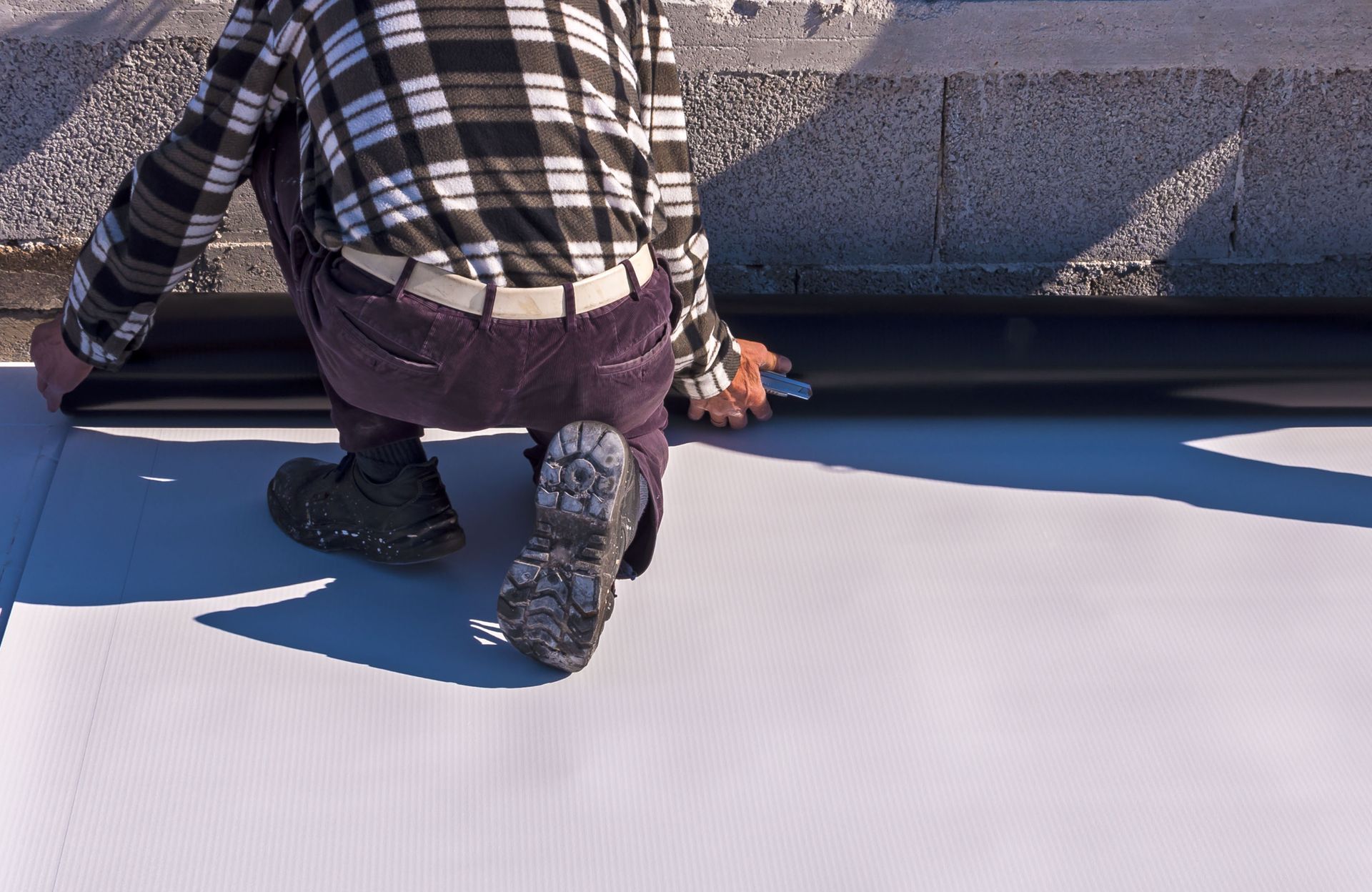
The lifespan of any roofing system begins with installation quality. Even premium materials may encounter issues if installation procedures are not performed correctly. TPO membranes require careful preparation, accurate seam welding, and attention to drainage design.
Local commercial roofers recognize that proper installation helps reduce the likelihood of future complications. Every detail, from substrate preparation to flashing installation, contributes to overall roof performance. When roofing systems are installed according to manufacturer guidelines and project specifications, they often experience fewer issues throughout their lifespan.
Inspecting Regularly Helps Identify Small Problems Early
Many roofing concerns begin as minor issues that may not immediately affect building operations. Small punctures, loose flashing, drainage concerns, or seam separation can develop gradually over time. Without routine inspections, these conditions may worsen before they are detected.
Local commercial roofers frequently recommend scheduled roof assessments to identify developing concerns before they become larger problems. Regular inspections allow roofing professionals to evaluate membrane conditions, drainage systems, roof penetrations, and other critical components. Early detection often leads to simpler corrective measures and helps preserve the overall integrity of the roofing system.
Managing Drainage Plays a Critical Role
Water management remains one of the most important aspects of commercial roofing performance. Although San Diego receives less rainfall than many parts of the country, periodic storms can still place significant demands on drainage systems.
Standing water can increase stress on roofing materials and create conditions that contribute to premature wear. Local commercial roofers carefully evaluate drainage patterns during inspections and maintenance visits. Ensuring that drains, scuppers, gutters, and downspouts remain clear allows water to move efficiently away from the roof surface and helps protect the membrane from unnecessary strain.
Protecting Roofs From Foot Traffic Damage Reduces Wear and Tear
Commercial roofs often support more activity than many people realize. HVAC technicians, maintenance personnel, inspectors, and contractors may access rooftop equipment throughout the year. Repeated foot traffic can gradually affect membrane surfaces, particularly in high-use areas.
To address this challenge, local commercial roofers often recommend designated walk paths and protective measures that reduce direct wear on roofing materials. Managing roof access and monitoring heavily traveled areas can help extend the life of a TPO system while minimizing avoidable damage.
Addressing Repairs Before They Escalate Prevents Costly Repairs
Even well-maintained roofs may eventually require repairs. Weather exposure, accidental damage, or natural aging can create isolated concerns that warrant attention. Prompt repair work often prevents localized issues from affecting larger sections of the roof.
Local commercial roofers focus on identifying repair needs quickly and performing corrective work that aligns with the existing roofing system. Whether addressing membrane punctures, flashing concerns, or seam deterioration, timely action helps maintain overall roof performance and reduces the risk of more extensive damage.
Managing the Effects of San Diego's Sun Exposure Prevents Too Much Exposure
Southern California's abundant sunshine is one of the region's defining characteristics. While this climate offers many benefits, constant ultraviolet exposure can affect roofing materials over time. TPO roofing is designed to handle significant sun exposure, but long-term performance still depends on ongoing monitoring.
Local commercial roofers pay close attention to signs of weathering that may develop after years of UV exposure. Routine inspections allow professionals to evaluate membrane conditions and identify any changes that could affect future performance. Consistent monitoring helps ensure that roofing systems continue functioning as intended despite prolonged environmental exposure.
Maintaining Rooftop Equipment Areas Prevents Vulnerable Points
Commercial roofs frequently contain mechanical equipment, vents, pipes, and other penetrations. These areas often require special attention because they create transitions between roofing materials and building systems.
Local commercial roofers understand that penetrations can become vulnerable points if not properly maintained. Flashings, seals, and surrounding membrane sections should be evaluated regularly to ensure they remain intact. Ongoing attention to these areas helps reduce the likelihood of moisture intrusion and supports the overall lifespan of the roof.
Creating Long-Term Maintenance Strategies Establishes Clear Communication
A proactive approach often produces better results than a reactive one. Rather than waiting for visible leaks or noticeable damage, many building owners implement structured maintenance plans designed to keep roofing systems in good condition year after year.
Local commercial roofers frequently work with property managers and facility owners to establish maintenance schedules tailored to specific buildings. These plans may include inspections, cleaning, documentation, and minor corrective work. Consistent attention helps create a clearer understanding of roof conditions while supporting long-term performance goals.
Partnering With Experienced Roofing Professionals Ensures Quality Services
Commercial roofing systems represent significant investments that influence building operations, tenant comfort, and asset preservation. Because TPO roofing systems involve specialized materials and installation methods, professional oversight remains valuable throughout the roof's lifecycle.
Local commercial roofers bring knowledge of regional climate conditions, commercial building requirements, and roofing system performance. Their experience helps building owners make informed decisions regarding maintenance, repairs, inspections, and future planning. This collaborative approach often contributes to more consistent roof performance over time.
For property owners seeking guidance on maintaining and extending the life of their commercial roofing systems, Premier Roofing CA, Inc. provides professional support tailored to the unique needs of San Diego-area buildings. Contact Premier Roofing CA, Inc. to learn more about commercial roofing services and long-term roof care strategies.
TPO roofing continues to serve as a popular solution for commercial buildings due to its durability, versatility, and energy-conscious design. However, achieving the longest possible lifespan requires more than selecting the right material. Installation quality, inspections, maintenance, repairs, drainage management, and professional oversight all contribute to long-term success.
As commercial property owners focus on protecting their investments, many continue to rely on local commercial roofers for ongoing support and guidance. Through proactive management and attention to changing roof conditions, TPO systems can continue serving commercial buildings effectively for many years. The combination of quality materials and consistent care remains one of the most effective ways to maximize roofing performance and preserve building value over the long term.