October 21, 2026
Commercial low-slope roofs are vital in ensuring the structural safety and longevity of a building. These roofing systems are often extensive and bear constant exposure to environmental stress, necessitating regular inspections. Partnering with an experienced commercial roofer helps mitigate risks associated with undetected damage or degradation, which, if left unattended, may lead to significant structural failures. Additionally, routine evaluations can assist in identifying minor problems before they escalate into costly repairs, thus ensuring that roofs remain functional and safe. By emphasizing routine inspections, property owners safeguard not only their investment but also the wellbeing of occupants within the building. Consulting a trusted commercial roofer ensures your building remains fully compliant and protected against severe weather.
Executing Preliminary Inspection Procedures
Conducting Initial Visual Inspection
The first step in inspecting a low-slope roof's structural integrity is conducting a thorough visual inspection. This involves walking the roof's perimeter and surface, looking for obvious signs of damage such as cracks, missing materials, or standing water. Assessing the roof's edges and seams is crucial, as these areas are most prone to damage and leaks. During this initial inspection, it's important to note any suspicious irregularities or apparent deficiencies that warrant further investigation. A methodical visual inspection performed by a commercial roofer forms the foundation for identifying significant issues that can be addressed promptly.
Reviewing Building Documentation
Reviewing building documentation, including architectural plans and previous inspection reports, provides essential context for understanding roof conditions. These documents offer insights into the roof's original construction, modifications, and any historical issues that have been identified. Evaluating this documentation can reveal patterns, such as repeated leaks or repairs in specific areas, indicating underlying systemic issues. Being informed about the history of the roof can guide inspectors in focusing their attention on known problem areas. This preparation allows for a more targeted inspection, improving the accuracy and effectiveness of the assessment process.
Identifying High-Risk Areas
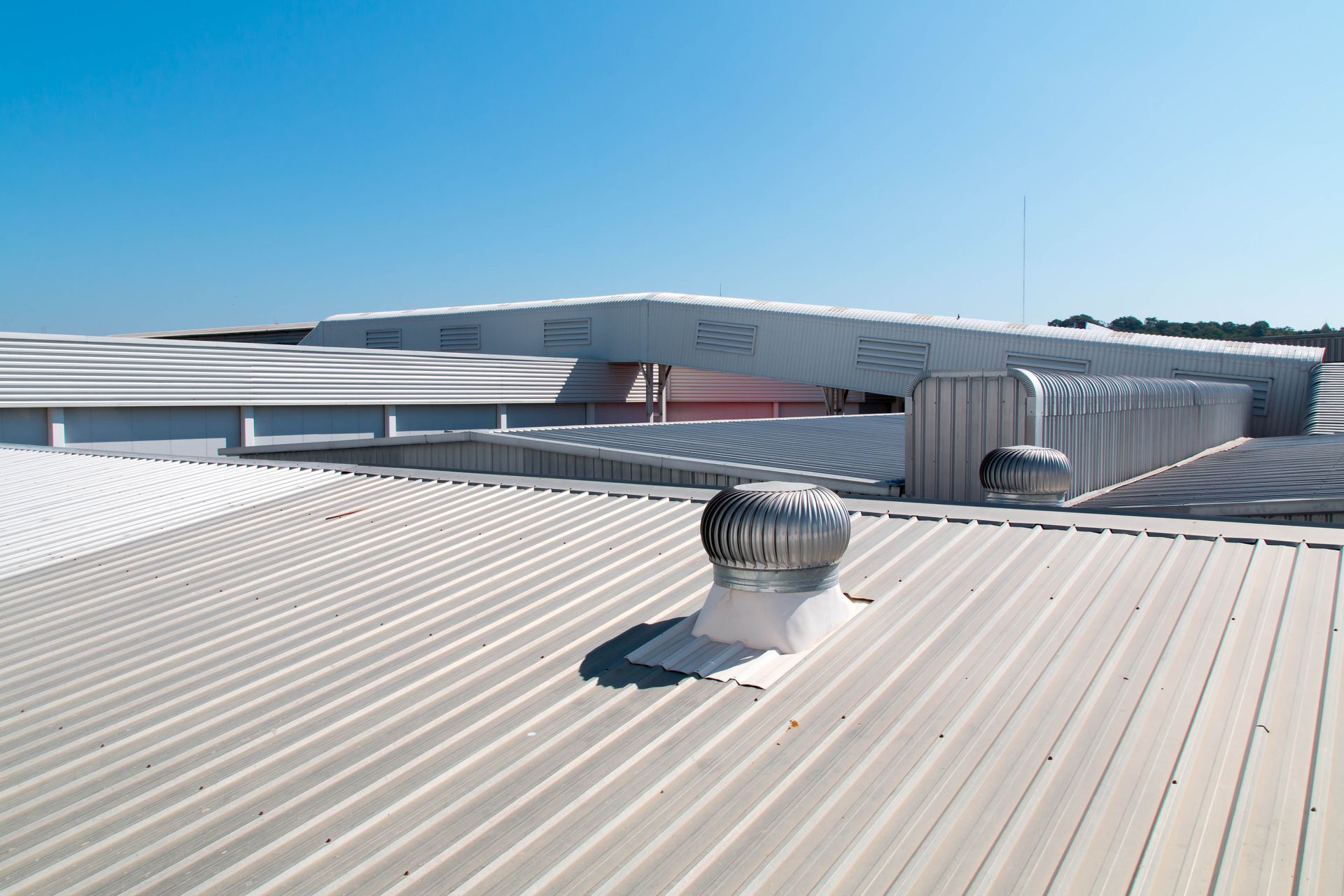
Certain sections of low-slope roofs are naturally more susceptible to structural issues, necessitating careful evaluation. Areas around mechanical units, roof vents, and drainage outlets typically present higher risks of leakage and deterioration. Regular inspection by a qualified commercial roofer also targets sections where previous damage or repair work has occurred, assessing the durability and effectiveness of past interventions. By identifying high-risk areas, inspectors can focus their assessment efforts, ensuring these vulnerable spots are carefully evaluated. Pinpointing these areas early allows for preemptive maintenance measures, minimizing the potential for more complex and costly issues.
Assessing Roof Membrane Integrity
Identifying Membrane Types
Recognizing the type of membrane installed is fundamental to assessing its condition and maintenance needs. Common membranes in low-slope roofing include EPDM, TPO, PVC, built-up roofing (BUR), and modified bitumen. Each type has specific characteristics and performance attributes, influencing how they wear over time and the appropriate repair techniques. An expert commercial roofer understands membrane types to anticipate common problems, such as specific vulnerabilities or lifecycle timelines. This knowledge is also crucial when formulating repair strategies or recommending maintenance procedures tailored to the membrane's properties.
Detecting Signs of Membrane Wear
Inspectors must diligently check the roof membrane for signs of wear, such as blisters, cracks, punctures, or bald spots. Areas with significant wear often appear as discolored patches or exhibit surface irregularities that stand out from the surrounding material. Particular attention is given to high-traffic zones and contact points with other structures, where friction and stress are more prevalent. Detecting wear early allows for prompt maintenance, preserving the membrane's integrity and preventing more serious issues from developing. Timely intervention by a commercial roofer mitigates further damage, reducing repair costs and prolonging the effectiveness of the roofing system.
Applying Moisture Detection Techniques
Moisture trapped beneath the membrane compromises the roof's integrity and can lead to severe structural damage over time. Advanced detection techniques, such as infrared thermography and electronic leak detection, help identify moisture without intrusive methods. Moisture meters allow inspectors to assess specific areas for internal water infiltration, which might not be visible on the surface. Early detection of moisture is crucial to prevent issues like rot, mold, or structural weakening due to prolonged water exposure. By identifying moisture presence quickly, building owners can undertake necessary repairs, averting further deterioration and ensuring safety.
Examining Structural Components
Inspecting Roof Decks
The roof deck, comprising the structural base of any roofing system, needs to be thoroughly checked for sagging, damage, or material degradation. During inspections, particular attention is directed towards any signs of swelling or rot, which can compromise the overall strength of the deck. Visually examining the underside of the deck, often accessible from the interior, can reveal moisture damage or structural inconsistencies. Structural weaknesses in the roof deck warrant immediate attention from a licensed commercial roofer, as they pose significant safety risks and can lead to more expensive repairs. Inspectors must ensure the deck remains sound to adequately support the roofing membrane and infrastructure mounted atop it.
Assessing Supports and Joists
Supports and joists form the backbone of the roof's structural integrity, requiring careful evaluation for signs of stress or imbalance. An inspection involves checking these components for splits, fractures, or signs of excessive bending that could indicate overload or material fatigue. Special focus is placed on connections between joists and horizontal supports to ensure these critical joints have remained stable. Maintaining robust support systems prevents sagging and potential collapse, safeguarding the building and its occupants. Regular inspection of these structural elements contributes significantly to the overall safety and durability of the roofing system.
Identifying Signs of Rust or Corrosion
Exposed metal components in roofing systems are susceptible to rust and corrosion, particularly in environments with high humidity or industrial pollutants. Inspectors should closely examine areas around fasteners, metal decking, and any steel supports for signs of oxide buildup or discoloration. Rusty components can weaken structural integrity and should be cleaned and treated immediately to prevent the spread of corrosion. Using suitable anti-corrosion treatments or insulating materials can mitigate future oxidation, preserving the integrity of metal structures. Early detection and intervention help in maintaining the roof's stability and longevity, safeguarding against premature failure.
Evaluating Drainage Systems
Recognizing the Importance of Efficient Drainage
Efficient drainage is vital to the performance and longevity of low-slope roofs, where inadequate runoff can lead to water pooling and potential structural damage. Drainage systems should be designed and maintained to ensure water is directed away from the roof efficiently, avoiding ponding water that can stress materials. Ensuring that drainage systems are free from blockages or damage is part of routine inspection, aiding in the prevention of overflow and water intrusion. Regular inspections, according to GAF, should occur at least twice annually, typically during the spring and fall, to address seasonal discharge needs.
Inspecting Gutter and Downspout Conditions
Gutters and downspouts are integral to a roof's drainage system, necessitating inspection to verify they remain clear and effectively functioning. Blockages from leaves, debris, or accumulated ice can impede water flow, leading to gutter overflow and potential water damage to the roof and building facade. Rust, cracks, or detachment along gutter systems are signs of wear that should be remediated to maintain effective drainage. Evaluating these elements involves ensuring all connections are secure and that downspouts direct water safely away from the building foundation. Regular gutter and downspout maintenance conducted alongside a professional commercial roofer ensures roofs remain clear of excess water accumulation.
Routine inspections of low-slope commercial roofs are essential for preserving structural integrity, preventing costly emergency repairs, and extending the lifespan of your property. By systematically evaluating membranes, structural supports, and drainage systems, property managers can detect minor defects before they escalate into major disruptions. Partnering with commercial roofing specialists guarantees that every assessment follows rigorous industry standards and safety regulations. Ultimately, investing in proactive preventative care protects your financial investment and ensures a safe, reliable environment for all building occupants.
Protect your commercial facility and extend the lifespan of your roof by contacting Premier Roofing CA, Inc. today to schedule an inspection with an expert commercial roofer!